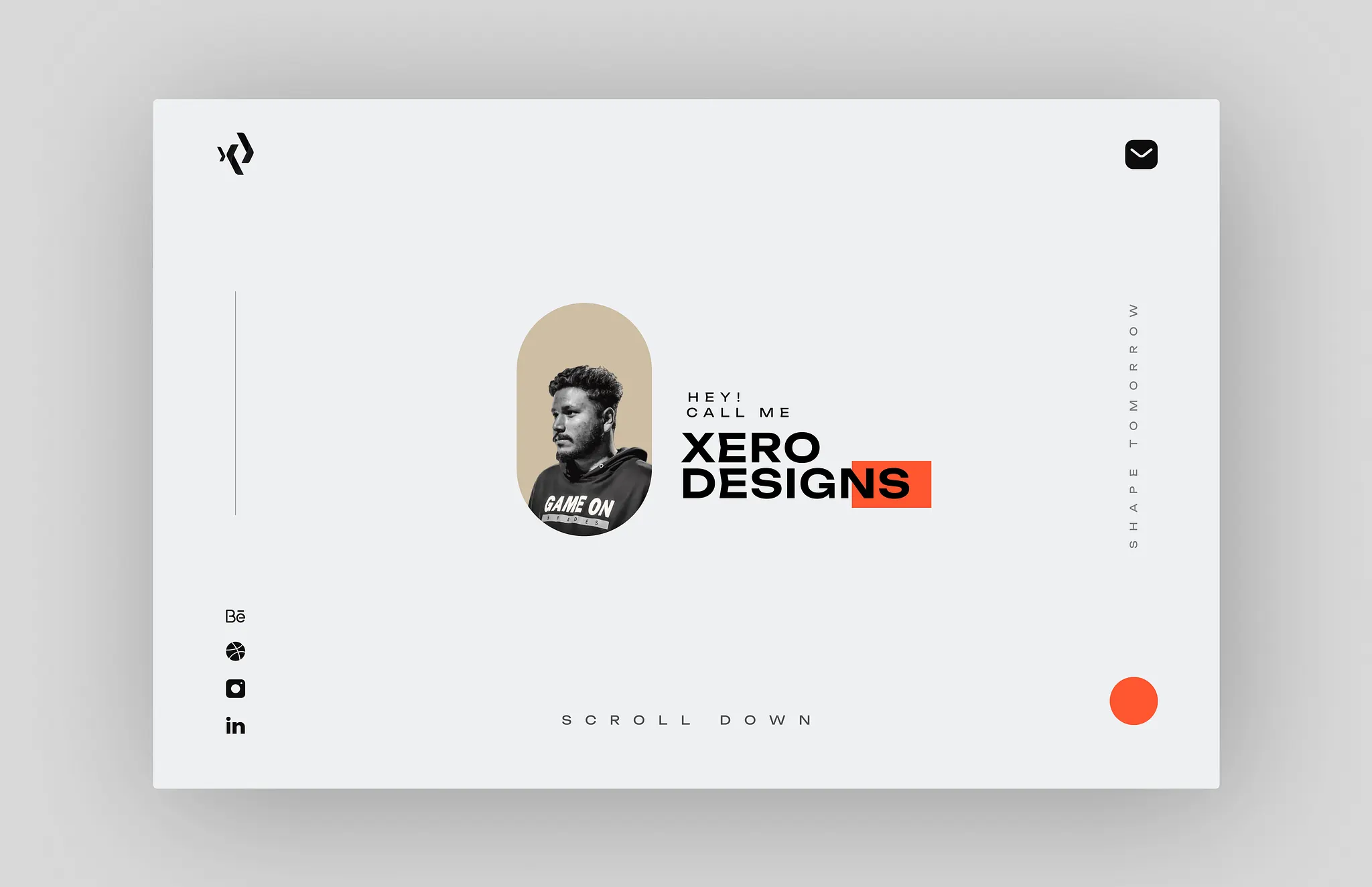
Let’s be honest. Most companies treat the “Contact Us” page like an afterthought.
You showcase your products, your services, your achievements — and then at the very end, you throw in a “Contact Us” link, just to check the box.
As a product lead who's spent years bridging design and development, I know how much the right tools can transform your workflow. Here are 8 Figma plugins my team actually uses daily - the kind that don't just look cool but genuinely solve problems.
In website design, typography does more than display text — it shapes user perception before a single word is read. As we look toward 2026, these carefully selected Google Fonts offer both freshness and timeless appeal, perfect for creating distinctive digital experiences.
Hey there — ever feel like you're designing the same website over and over? Maybe your layouts start looking a little too familiar, or your creative spark feels more like a flicker? You're not alone.
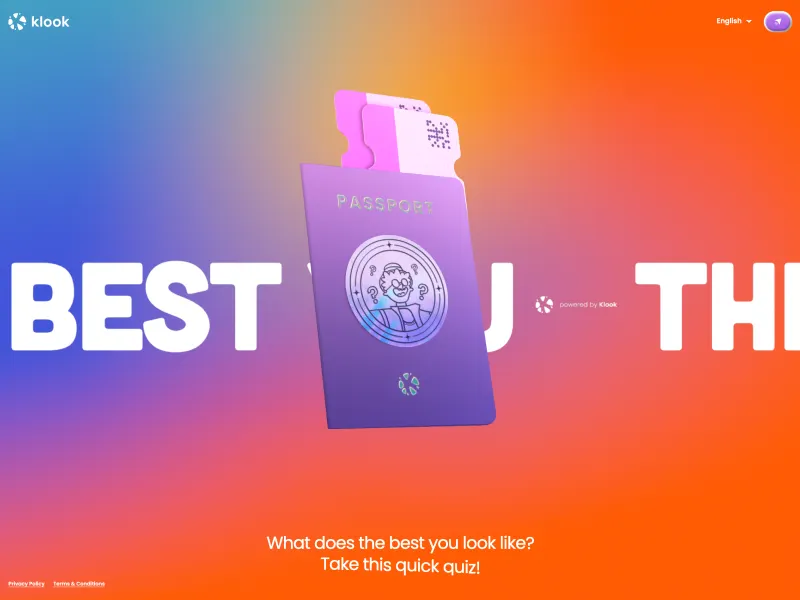
As we navigate the digital landscape of 2026, one truth emerges: websites are no longer static destinations but living ecosystems. Having tracked the pulse of digital design for over a decade, we've witnessed how visual aesthetics, interaction patterns, and technical foundations converge to create meaningful user journeys. While predictions are inherently uncertain, here's where the current trajectory leads us.
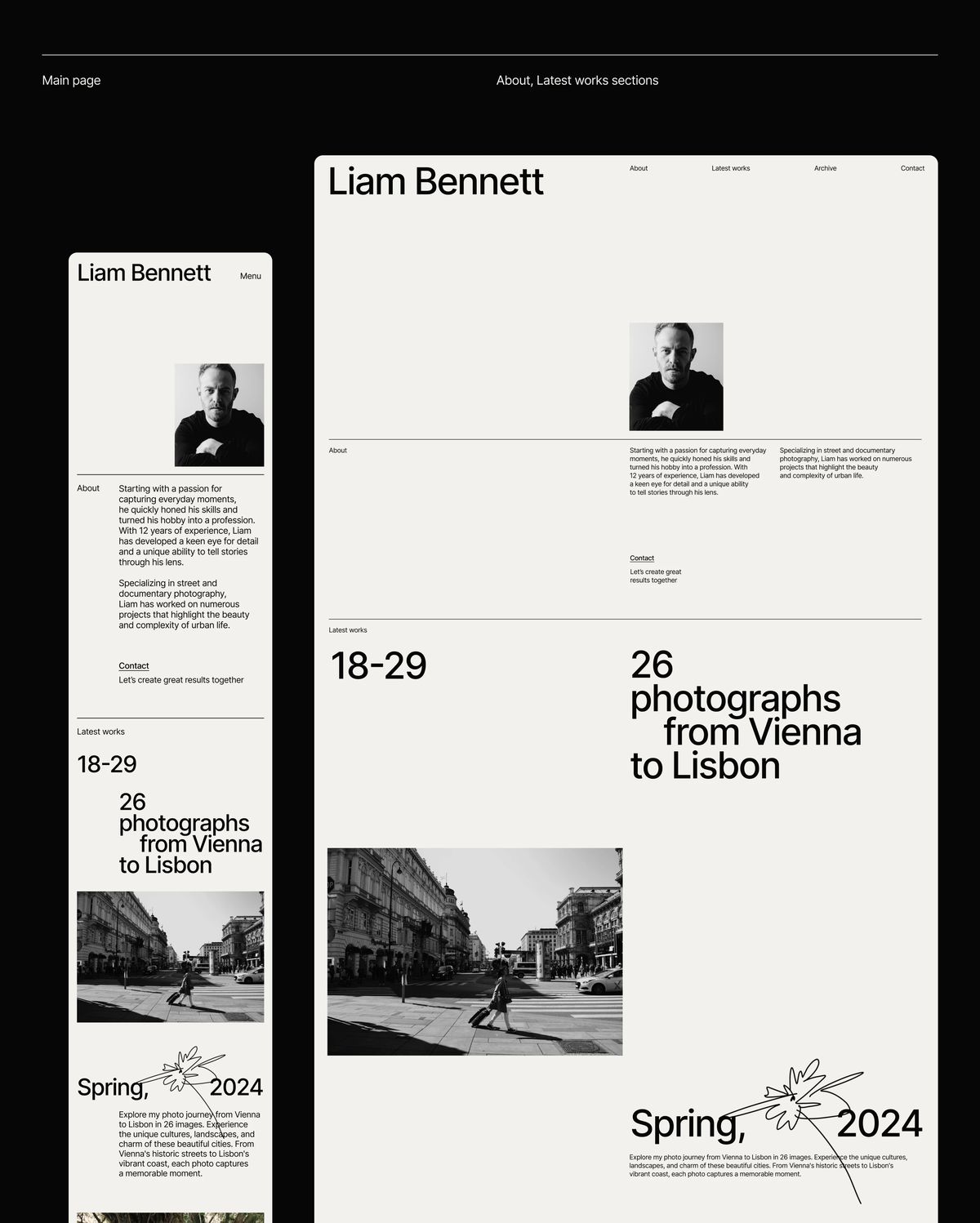
Hey everyone, let's talk about a super important but often overlooked point in custom website development — "Mobile-First"!
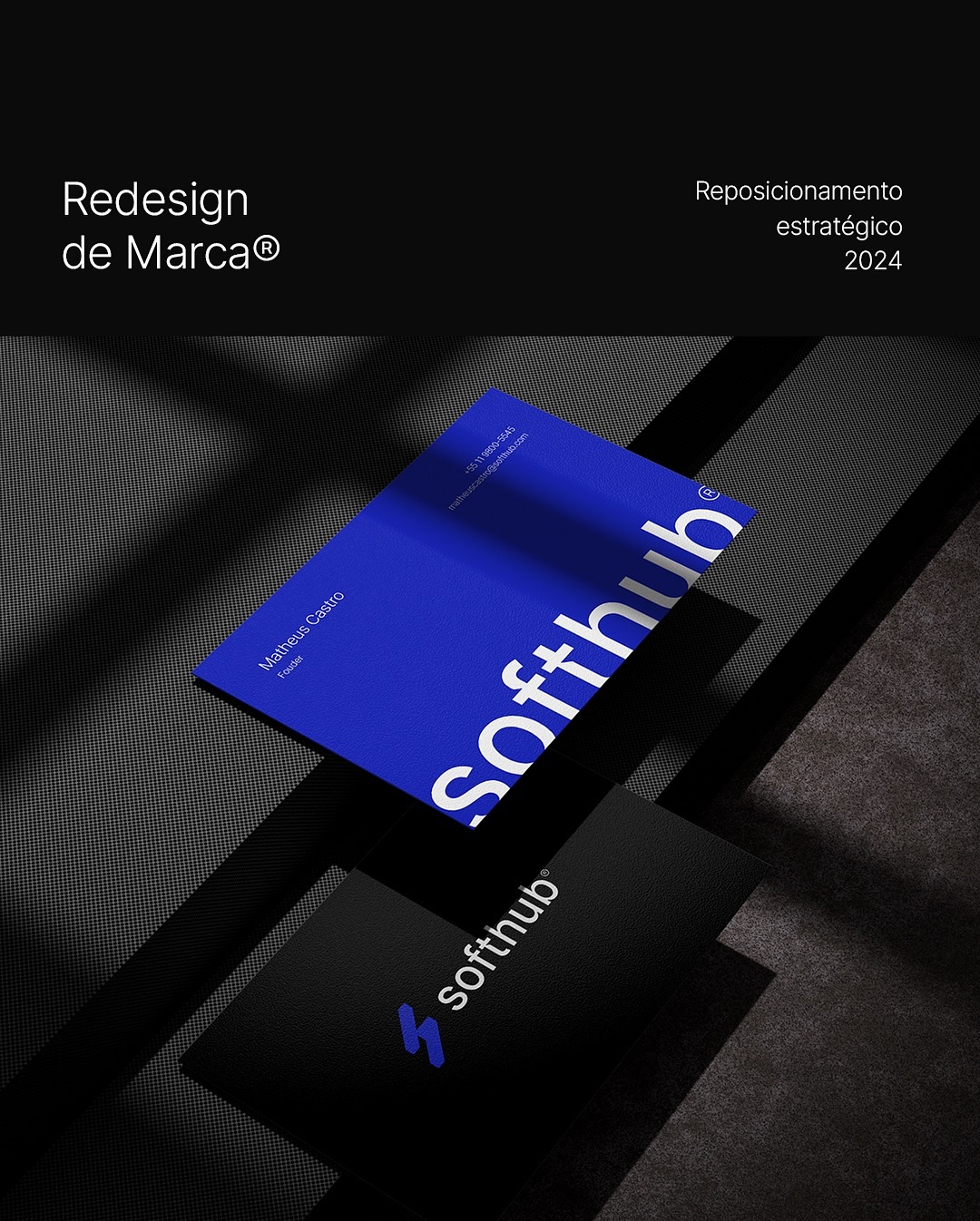
A great VI system goes beyond a new logo—it's about creating a consistent, distinctive identity across everything, from business cards and packaging to websites and signage.
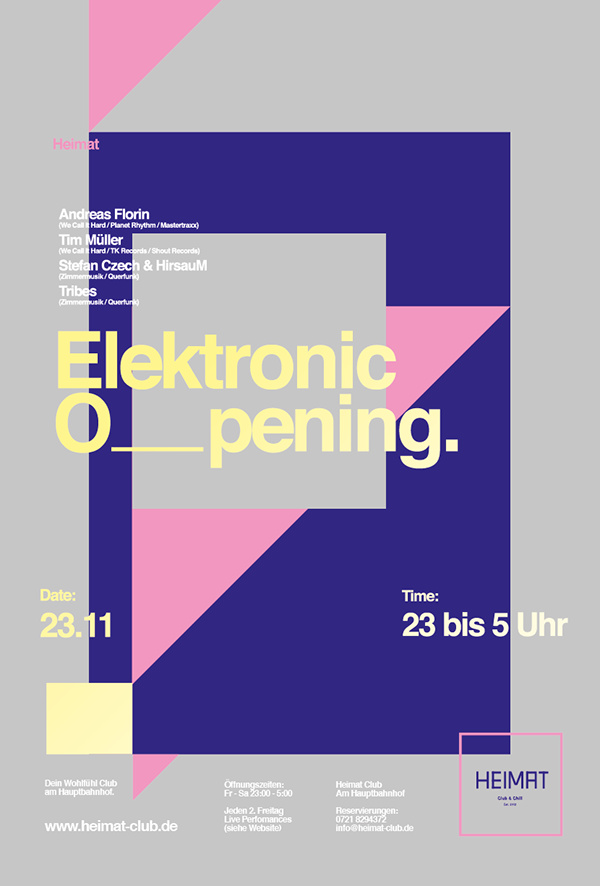
Poster design truly tests a visual designer's skills: layout, aesthetic sense, and ability to grab attention. Let's explore 7 sleek, minimalist poster designs that stand out in any industry.
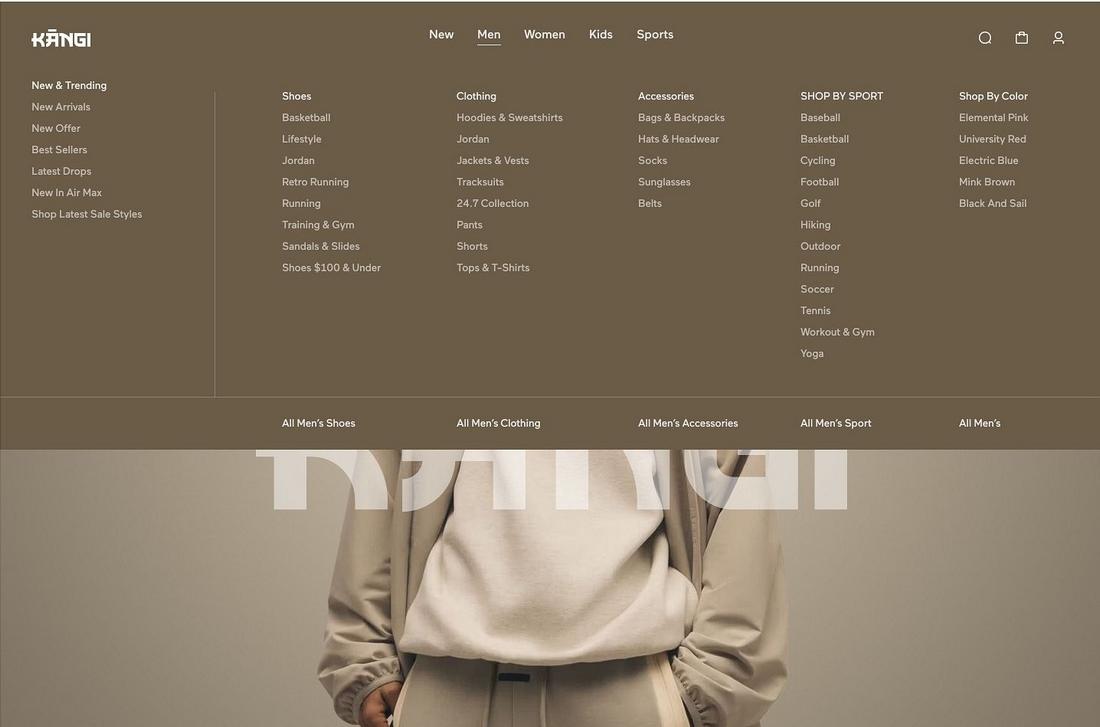
We often say a website "feels premium" or "has a strong presence," but if you ask how that’s achieved, many struggle to explain.
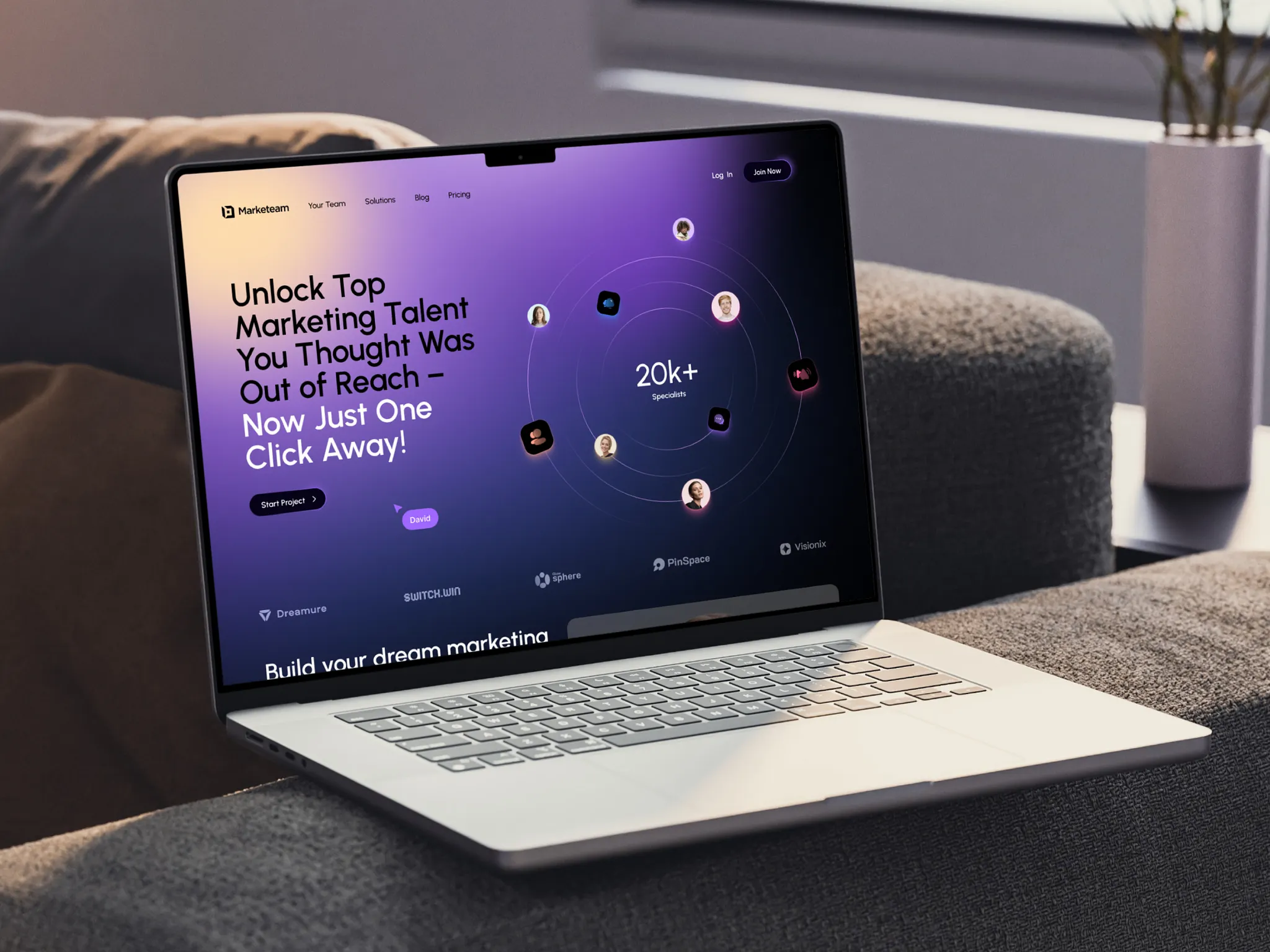
We've worked with many clients who begin by saying, "We're not really sure what to do with our website — we don't have a clear vision." That’s totally normal, especially for brands building their first site or dealing with complex content. It’s easy to feel overwhelmed.
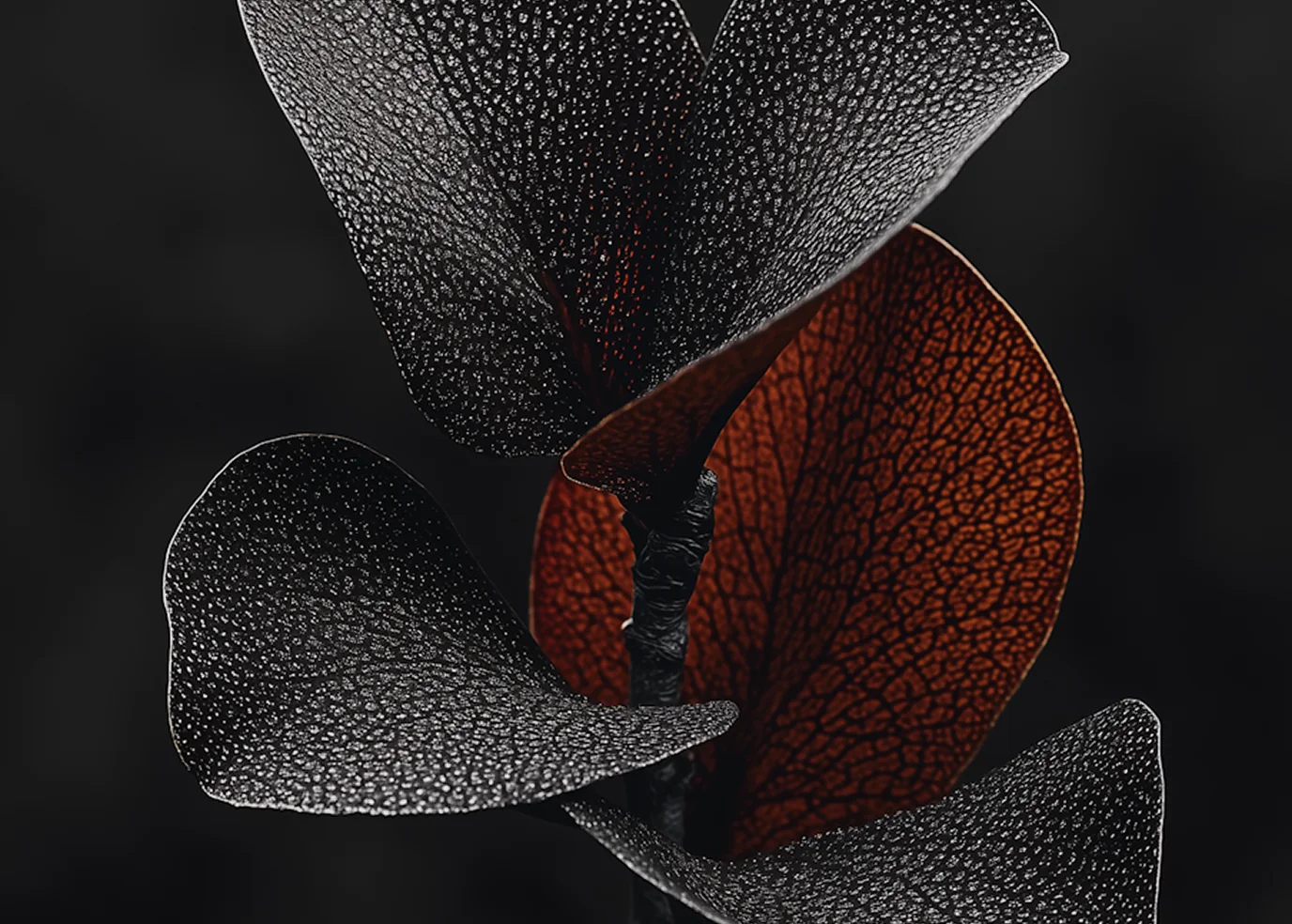
We often describe websites as "feeling premium" or "having presence," yet when asked how that's achieved, many struggle to explain.
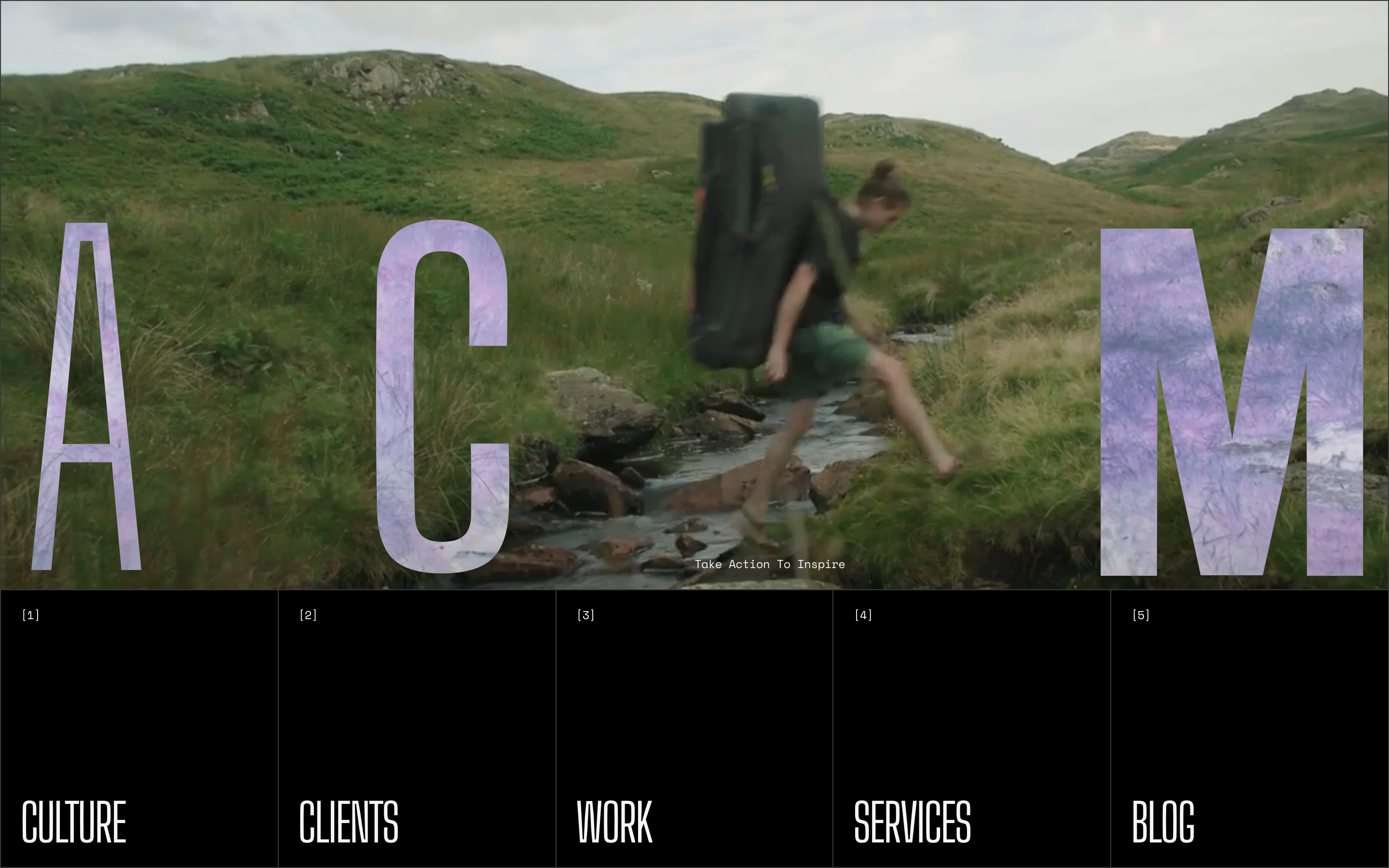
We always emphasize this: animation isn't for showing off — it's for enhancing experience. But too often, we see "animation overload": text flying everywhere, pages shaking, effects fighting for attention — turning the whole site into a digital disco.
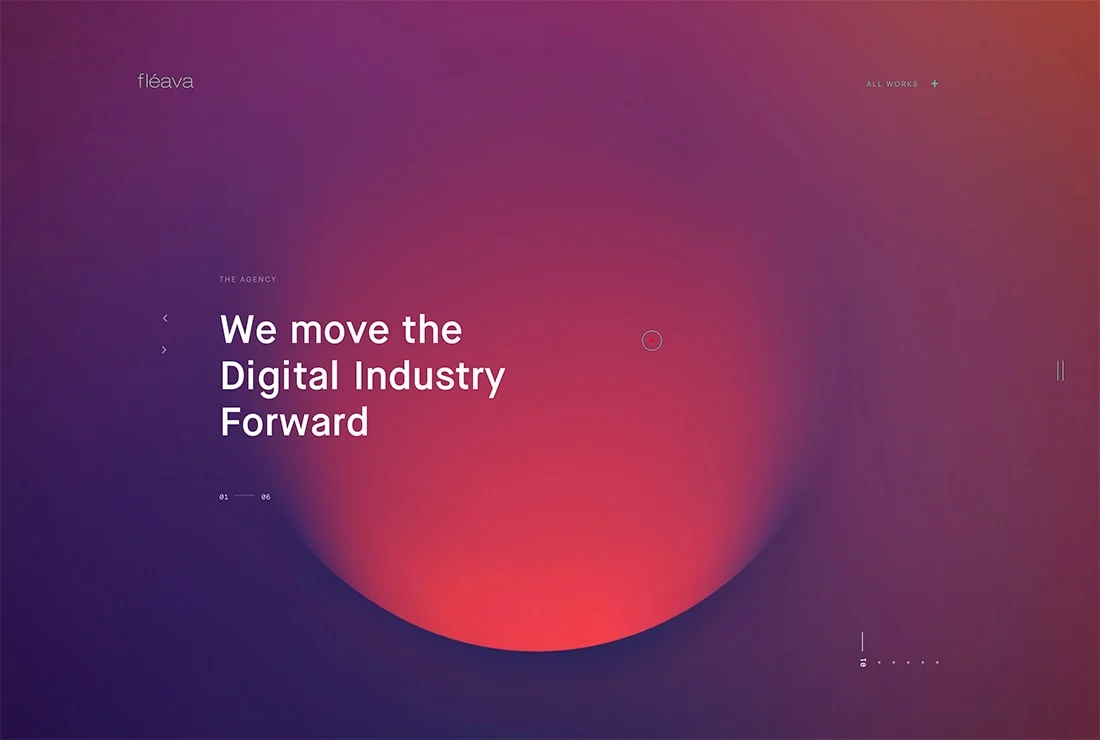
Building a website is like running a restaurant — even the best content fails if customers leave during the wait. After testing 500+ corporate sites, our team found that many "visually stunning" websites suffer from critical speed issues. Here are 3 commonly overlooked optimization tips even developers might miss:
When I first started in design, I thought speed was everything—mastering software and chasing trends were the real skills. But after three years of client revisions at the Sumaart team, I finally understood: those truly enduring designs are often the result of stubborn persistence in front of the screen.
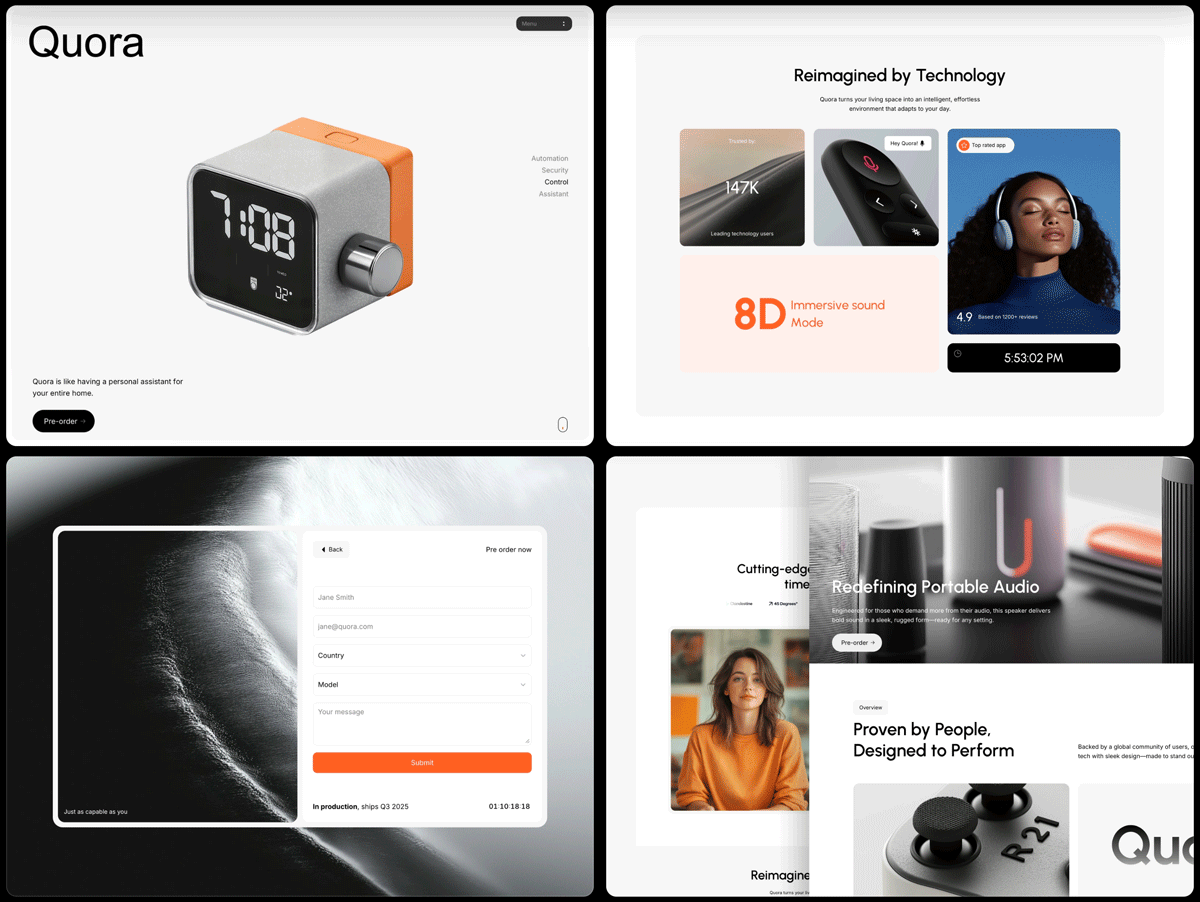
When people think of B2B websites, "boring" often comes to mind — packed with product specs, founder’s letters, and clichés like "industry-leading" or "globally recognized." But let’s be real: clients visit your site not for slogans, but for solutions. They want to know: "Do you truly understand my challenges? Can you solve my problems?" That’s where your website becomes your silent salesperson. So how do you make your expertise "perform" through design? Let’s keep it practical.
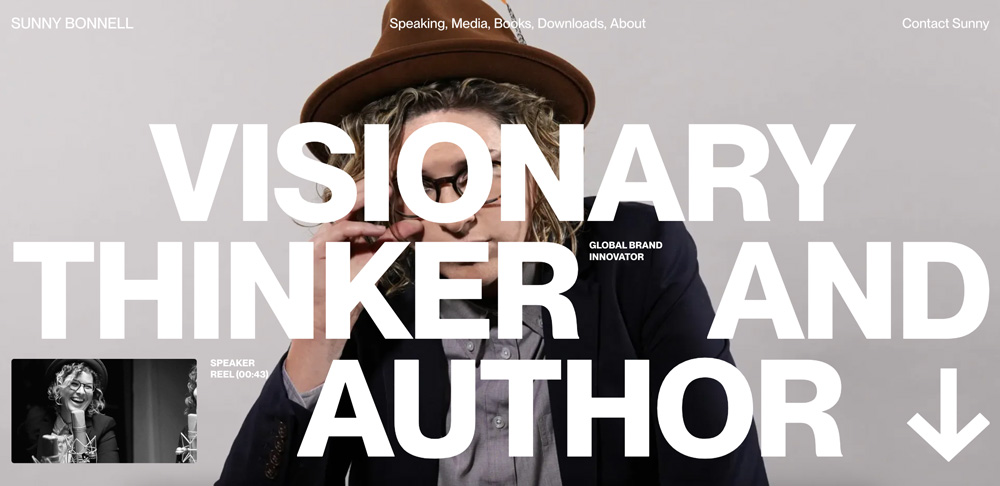
Animation, in simple terms, is "design that moves." But on a deeper level, it acts as an emotional guide during the user's journey. In a website redesign, well-planned motion isn’t just about looking premium — it’s about encouraging users to look longer, stay longer, and click further. So how can motion design be used effectively? Here are a few lessons from our experience.